The System
One pack.
Resistance that
travels with you.
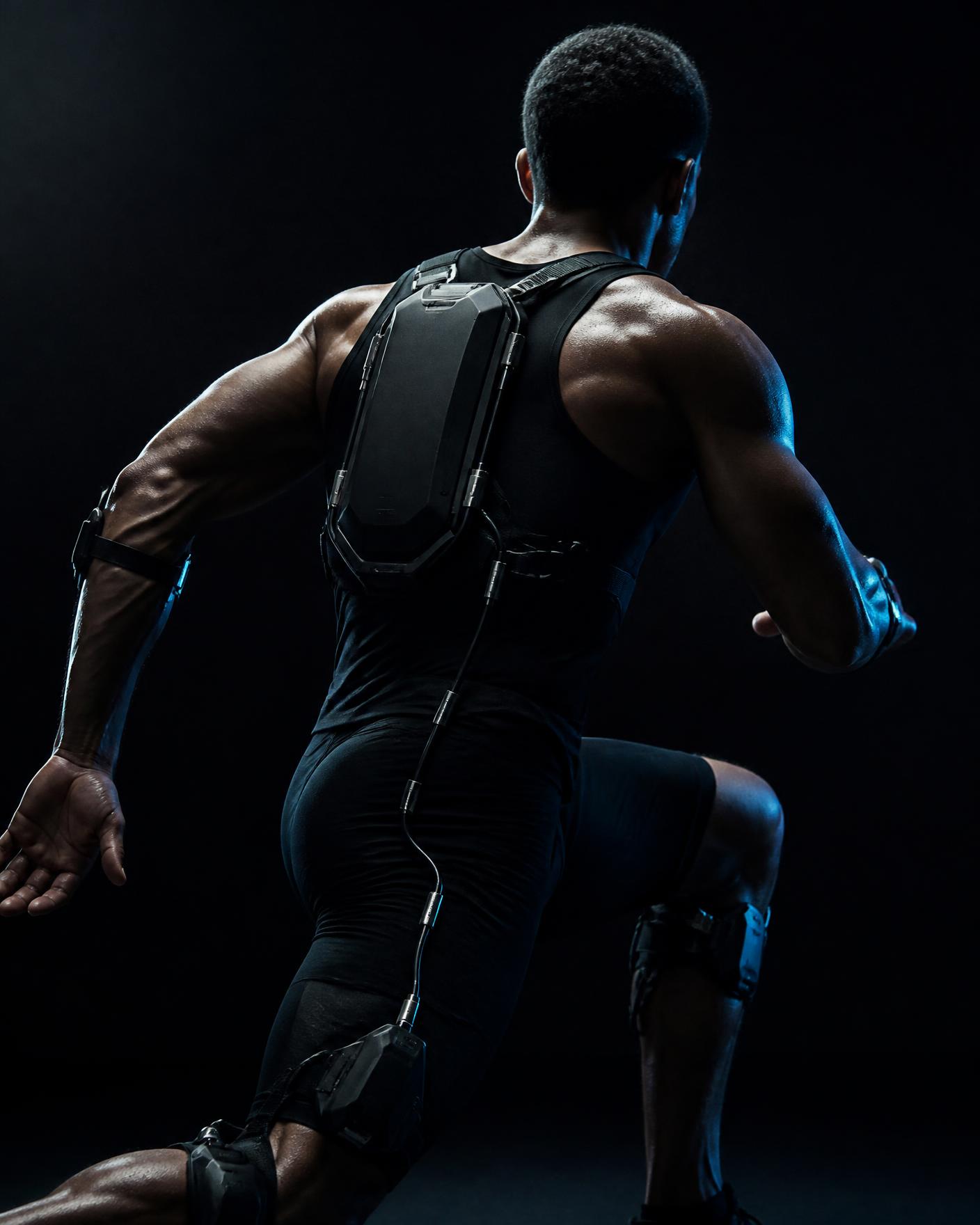
The Evolv System is worn, not installed. An internal resistance mechanism connects through cables to the wrists and knees, so the resistance travels with the athlete while the movement stays natural.
Product truth
See the actual product
Cinematic photography shows what training with the system looks like. This section is for the other half: controlled studio documentation of the hardware itself, plate by plate.
Front
Studio image — coming soon
Rear
Studio image — coming soon
Side profile
Studio image — coming soon
Wrist interface
Studio image — coming soon
Knee interface
Studio image — coming soon
Cable routing
Studio image — coming soon
Hardware
Studio image — coming soon
Worn
Studio image — coming soon
Product architecture
How the system is put together
Five parts, one load path. The mechanism is intentionally simple so the movement can stay complex.
A compact wearable pack
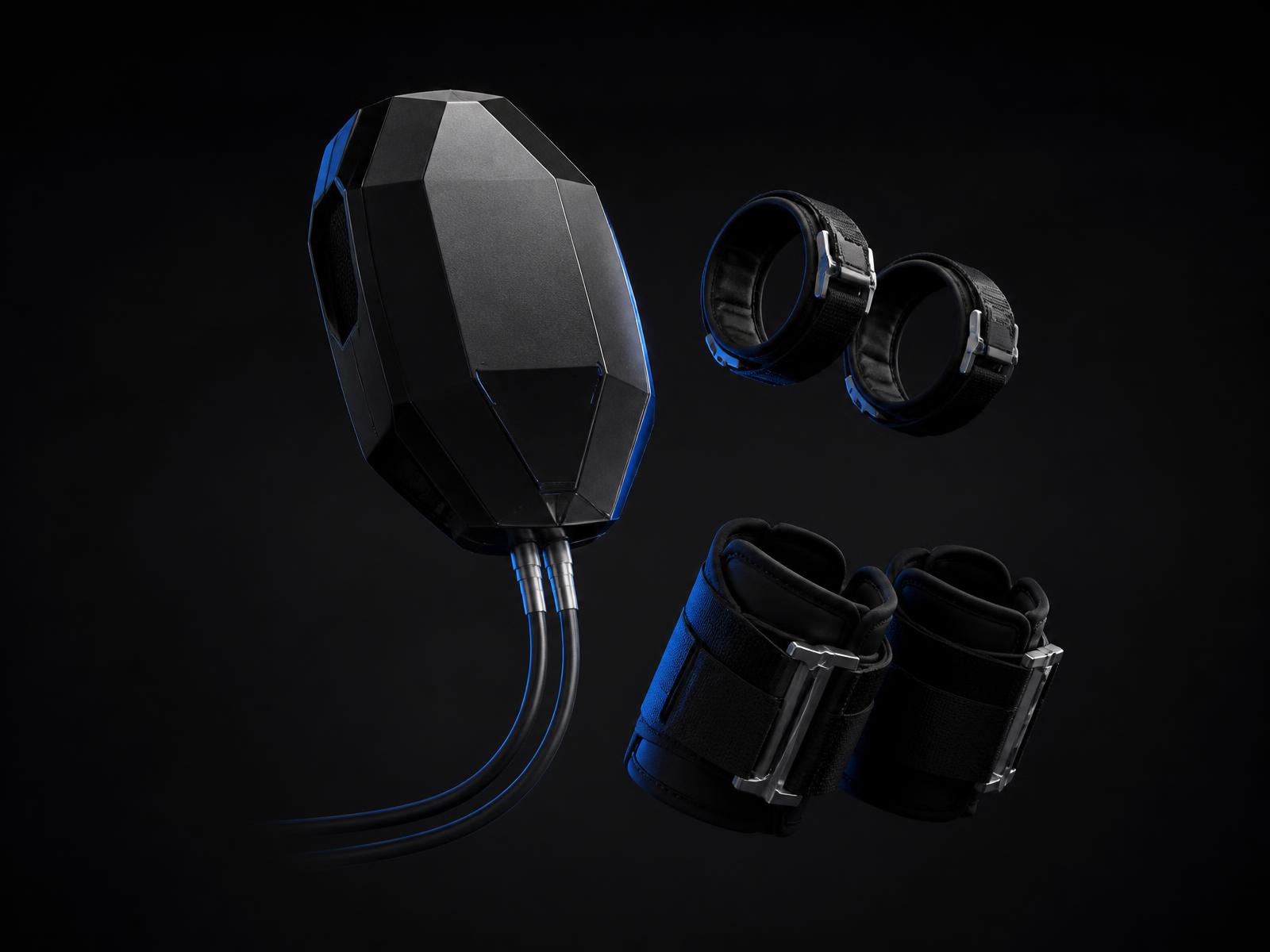
One sculpted housing carries the entire resistance assembly. It is worn against the upper back, close and centered, with no accessory boxes.
An internal resistance and pulley mechanism
The mechanism sits inside the shell — protected, balanced, and tensioning all four cables from a single unit.
Cables to the wrists
Cables exit the lower portion of the pack and connect to wrist cuffs through quick-connect hardware.
Cables to the knees and legs
The lower cable pair connects to knee cuffs, so the load path includes the lower body rather than the arms alone.
The system travels with the athlete
Because the resistance is worn, the athlete is not tethered to a fixed apparatus and can move through space.
One internal unit · four cables · low exit
Why Evolv?
The resistance moves with you.
Most training tools place resistance somewhere fixed — a machine, an anchor, a bar. Evolv puts the resistance on the athlete, so the movement stays dynamic and untethered.
Architecture A
Fixed cable apparatus
Resistance comes from a machine anchored to the floor or a frame. The athlete trains inside the range the apparatus allows, and stays connected to it.
Architecture B
Anchored elastic band
Tension is set by an external anchor point. Load rises as the athlete moves away from the anchor, and direction is defined by where the band is fixed.
Architecture C
Evolv — resistance worn on the body
One pack carries the resistance mechanism. Cables leave the lower housing to the wrists and knees, so tension travels with the athlete instead of tying them to an anchor.
The distinction
The resistance travels with the athlete instead of holding the athlete to a fixed apparatus.
What that enables
Coordinated resistance at several points of the body at once, through natural movement, anywhere you train.
Specifications
Technical data
Final values are set during production validation. Anything not yet confirmed is marked Coming soon rather than estimated.
System
- Weight
- Coming soonComplete system, as worn.
- Dimensions
- Coming soonPack height × width × depth.
- Resistance range
- Coming soonPer-cable tension range across the travel.
- Cable travel
- Coming soonUsable extension per cable.
- Materials
- Coming soonShell, cable, cuff and hardware specification.
- Cuff sizing
- Coming soonWrist and knee cuff size range.
- Adjustability
- Coming soonHarness and cuff adjustment method.
Ownership
- What's included
- Coming soonPack, cuff set, cables, case and documentation.
- Warranty
- Coming soonCoverage terms are being finalised before launch.
- Care
- Coming soonCleaning, storage and cable maintenance guidance.
- Pricing
- Coming soonThe commercial model will be published before launch.
Details you touch
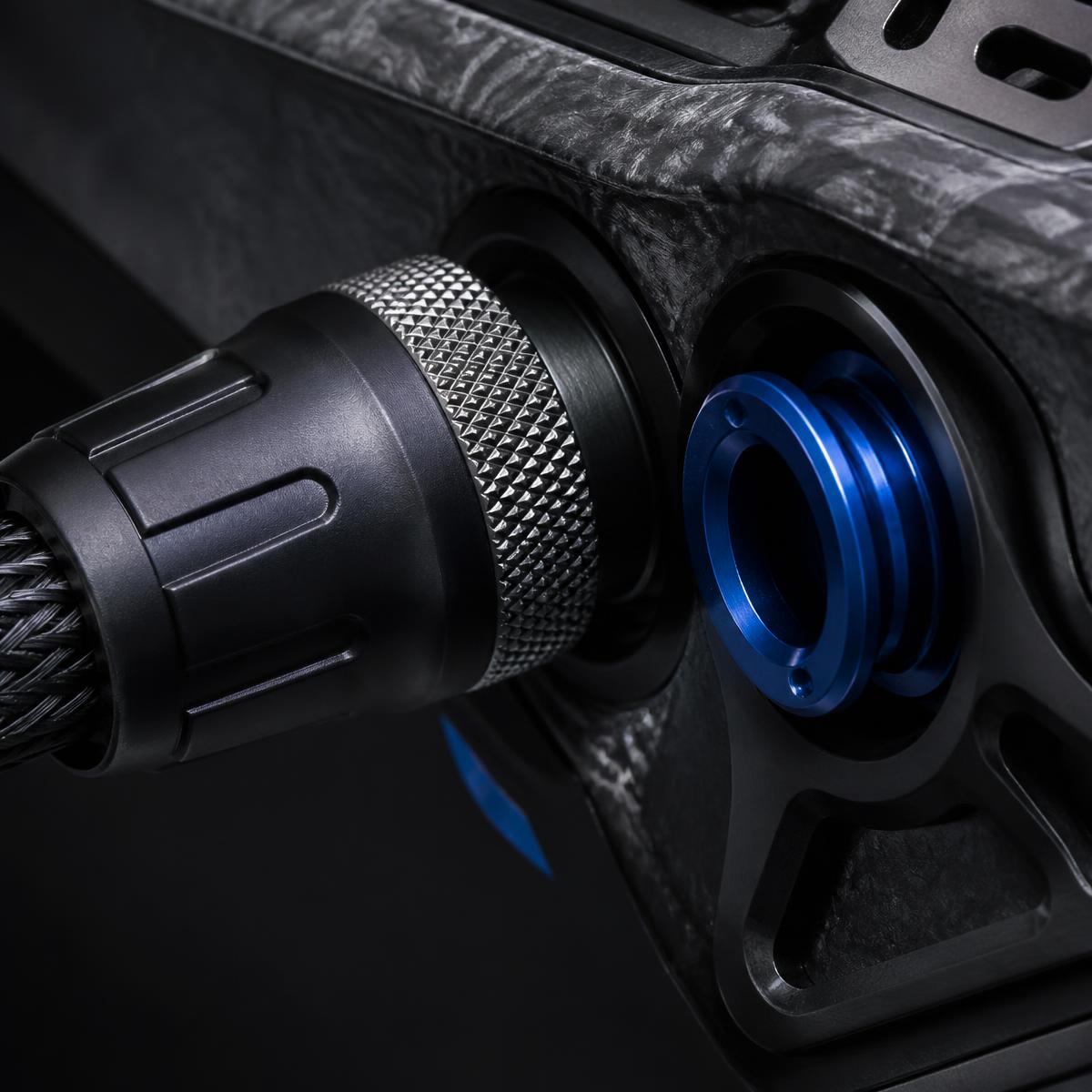
Precision in the parts that connect
- Quick-connect cable hardware
- Breathable, adjustable cuffs
- Low-profile balanced shell
- Cables retract into the housing
The product name is being finalised. Until then we refer to it as the Evolv System.
Ready to see it on an athlete?
See the system in action and discover how Evolv can fit into your training.